About the
Seven Fire Sanctuary Rewilding Project
Who We Are
Seven Fire Sanctuary Rewilding Project provides a chance for people of any background to gather together and reconnect with nature in community.
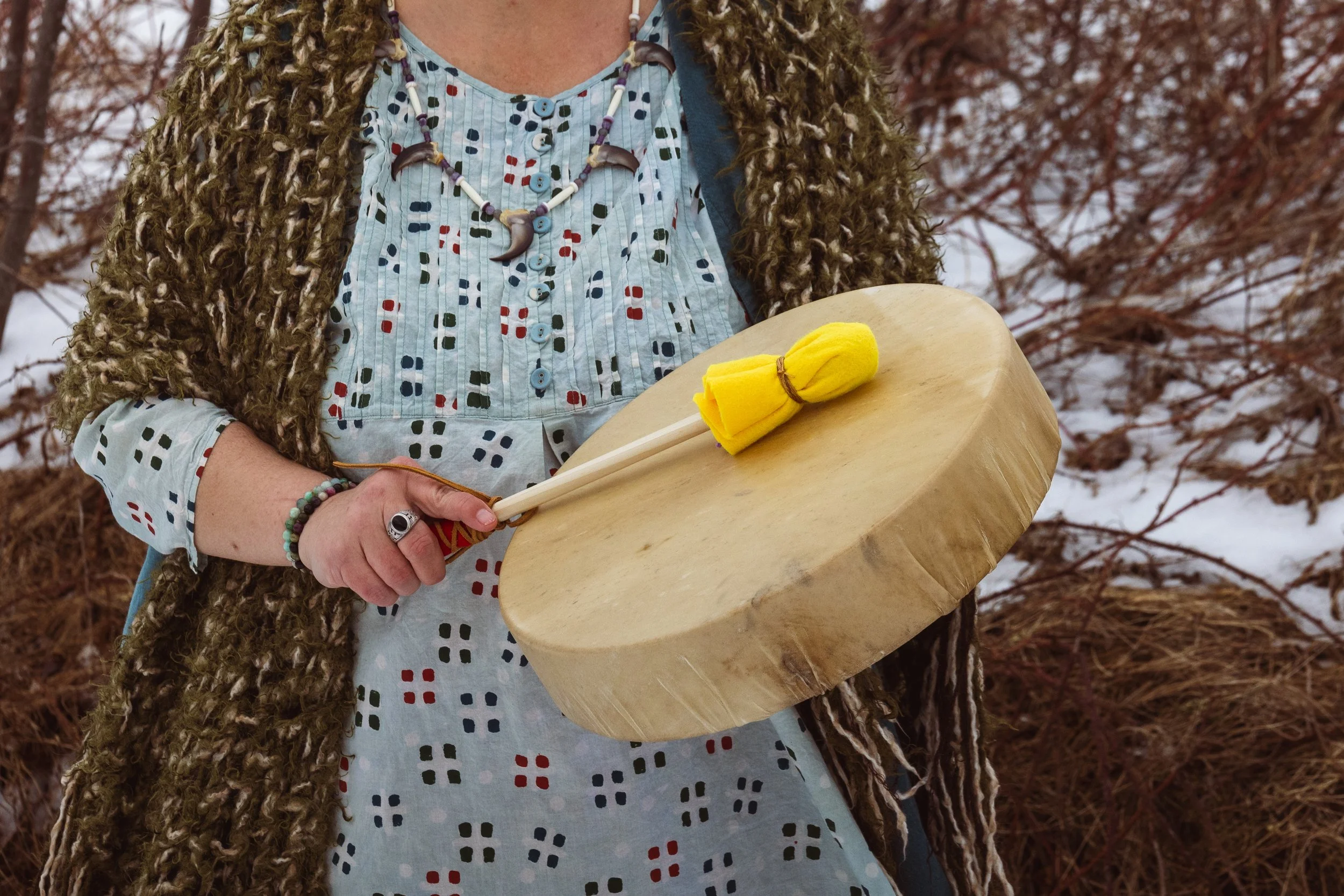
Through traditional Indigenous knowledge and contemplative practices, we help you rebuild your foundations, rediscover your power, and nurture a caring relationship with the earth that will help put humanity on the path to sustainability.
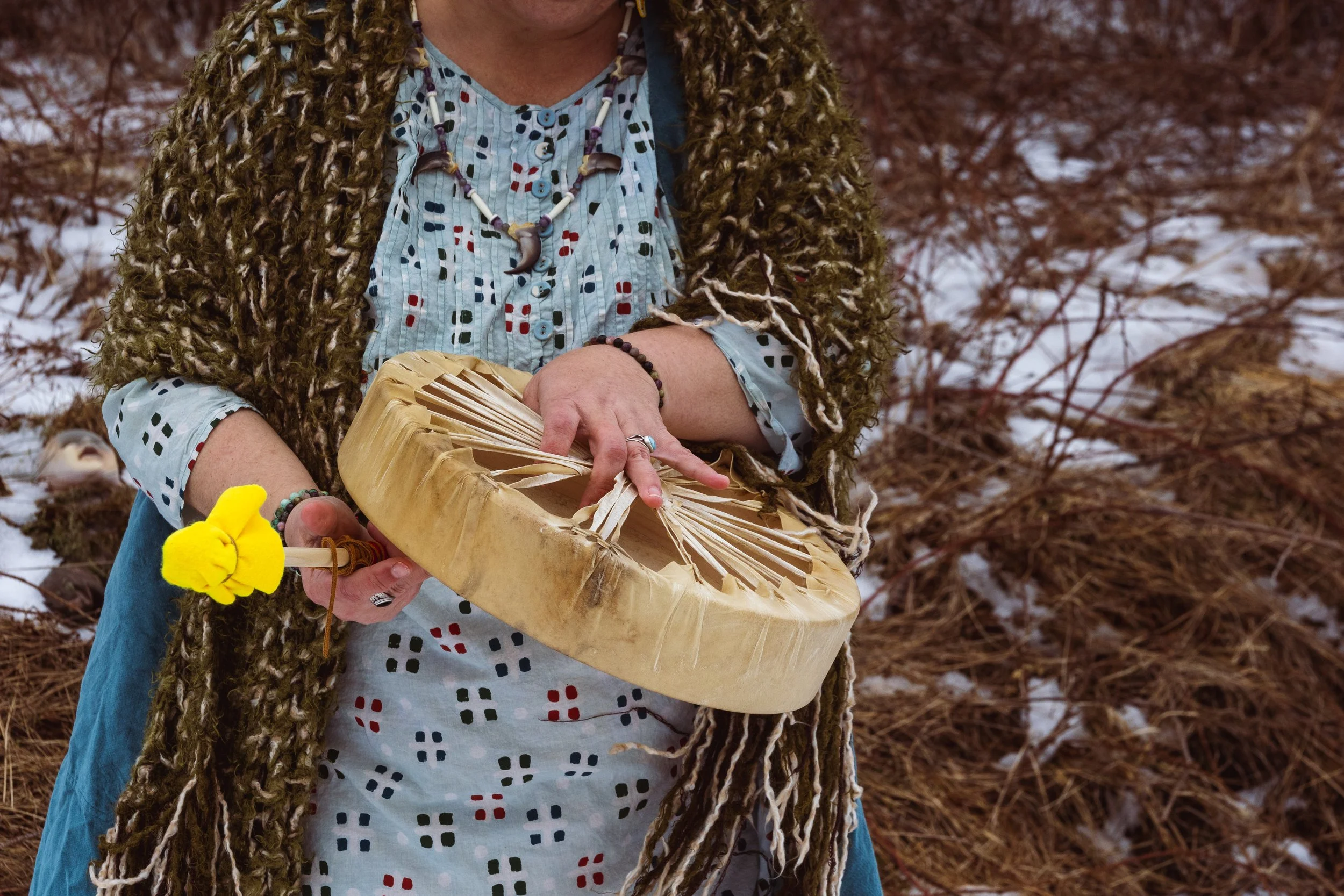
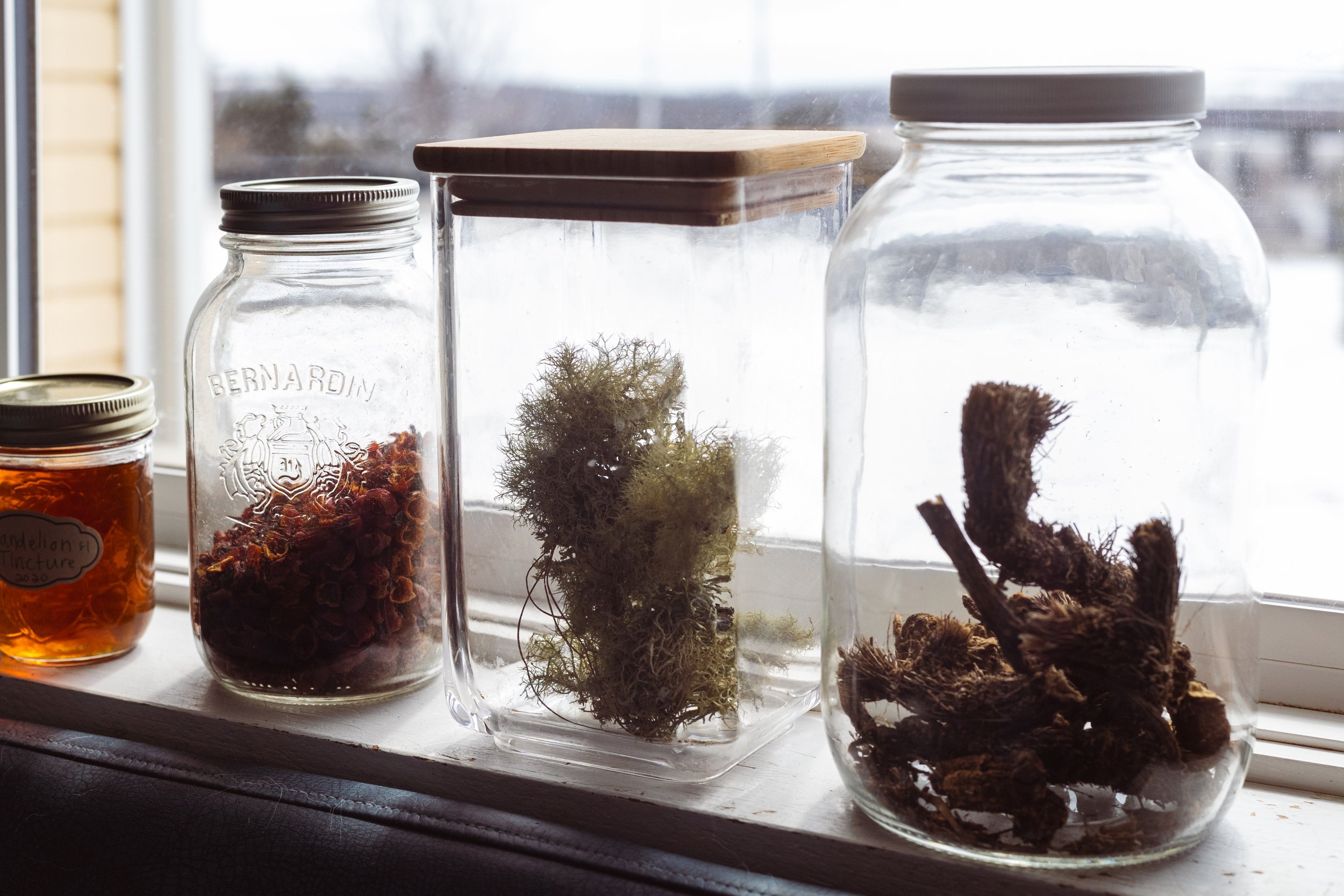
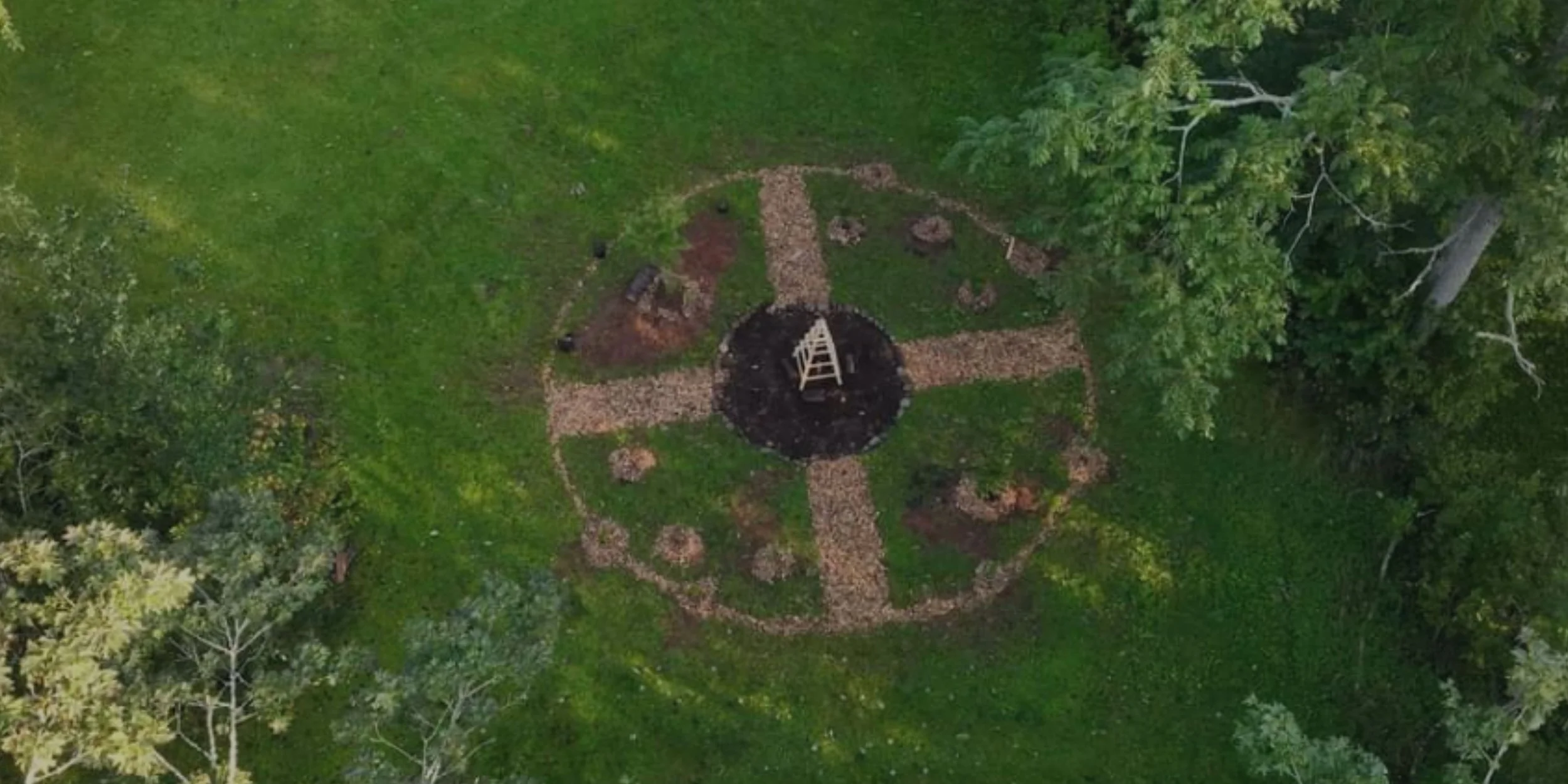
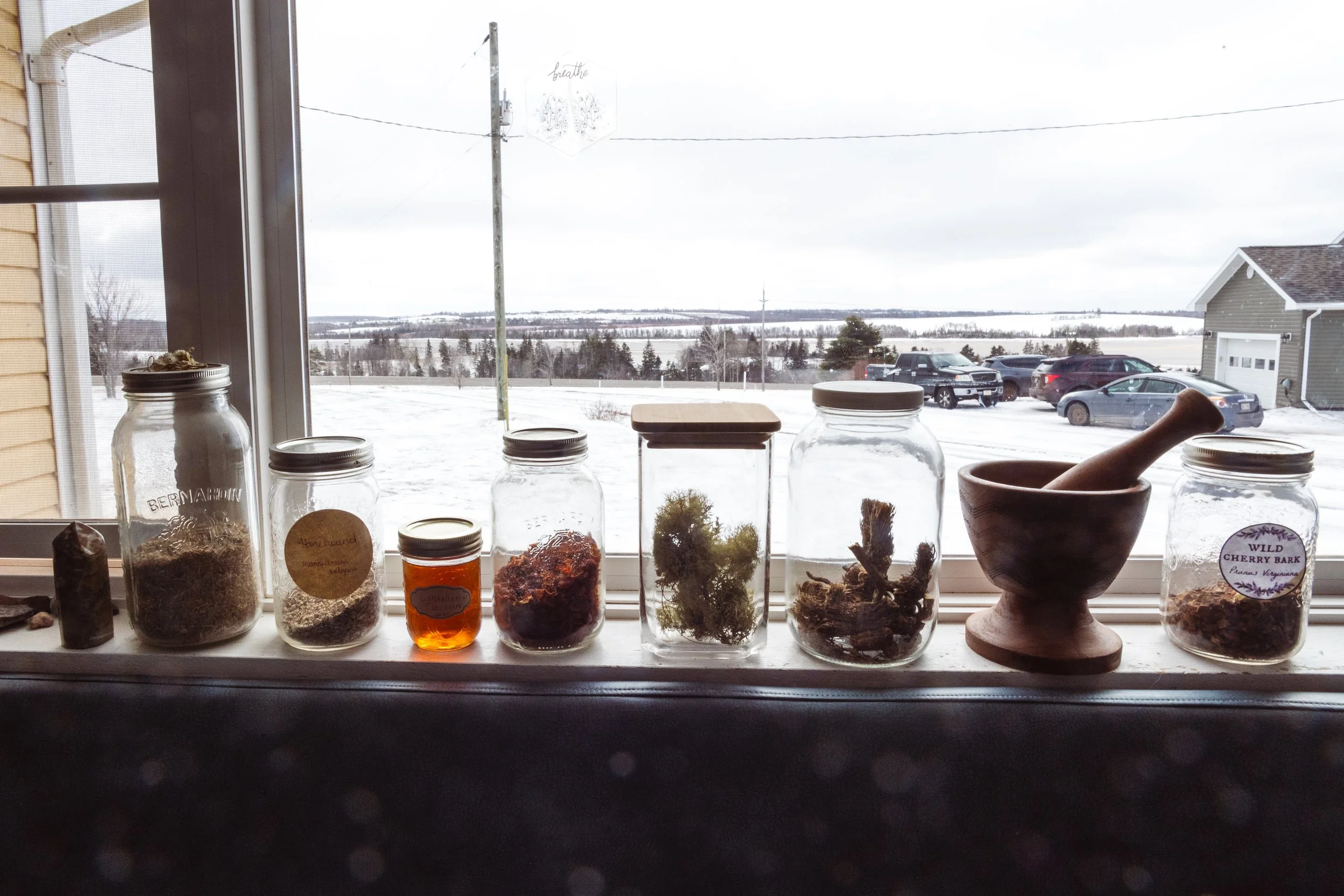
The first phase of the project features two acres planted with native perennial crops and medicinal trees, plants, and flowers. Attend a community tea time, come to commune with nature, or gather together for a workshop or medicine walk.
Our Approach
We believe that anyone can draw on the entirety of their lineage and personal experience—and use it to create something better.
For us, that means navigating the territory between traditional Indigenous knowledge and modern scientific approaches.
This guiding principle was defined by Elder Albert Marshall, over 25 years ago. He called it Etuaptmumk or Two-Eyed Seeing. It combines the strengths of Indigenous knowledge (our interconnectedness with the land and each other) with Western scientific methods, allowing us to see a more complete picture and create something better than we otherwise could.
Etuaptmumk means keeping an open mind and considering new approaches, with the understanding that sometimes a “new to us” approach is actually ancient wisdom that’s been passed down through generations.
Aspects of traditional Indigenous knowledge, of stars and plants, have been proven true by science. Other aspects reveal truths that science can’t explain. Insights passed down through traditional Indigenous knowledge can help us live more in tune with nature and with spirit. And that’s something the world desperately needs right now.
When you come to the sanctuary, whoever you are deep down is exactly who you’re meant to be. And you’re welcome here.
Behind the Name
We are shaped by the generations behind us, and responsible for the ones ahead.
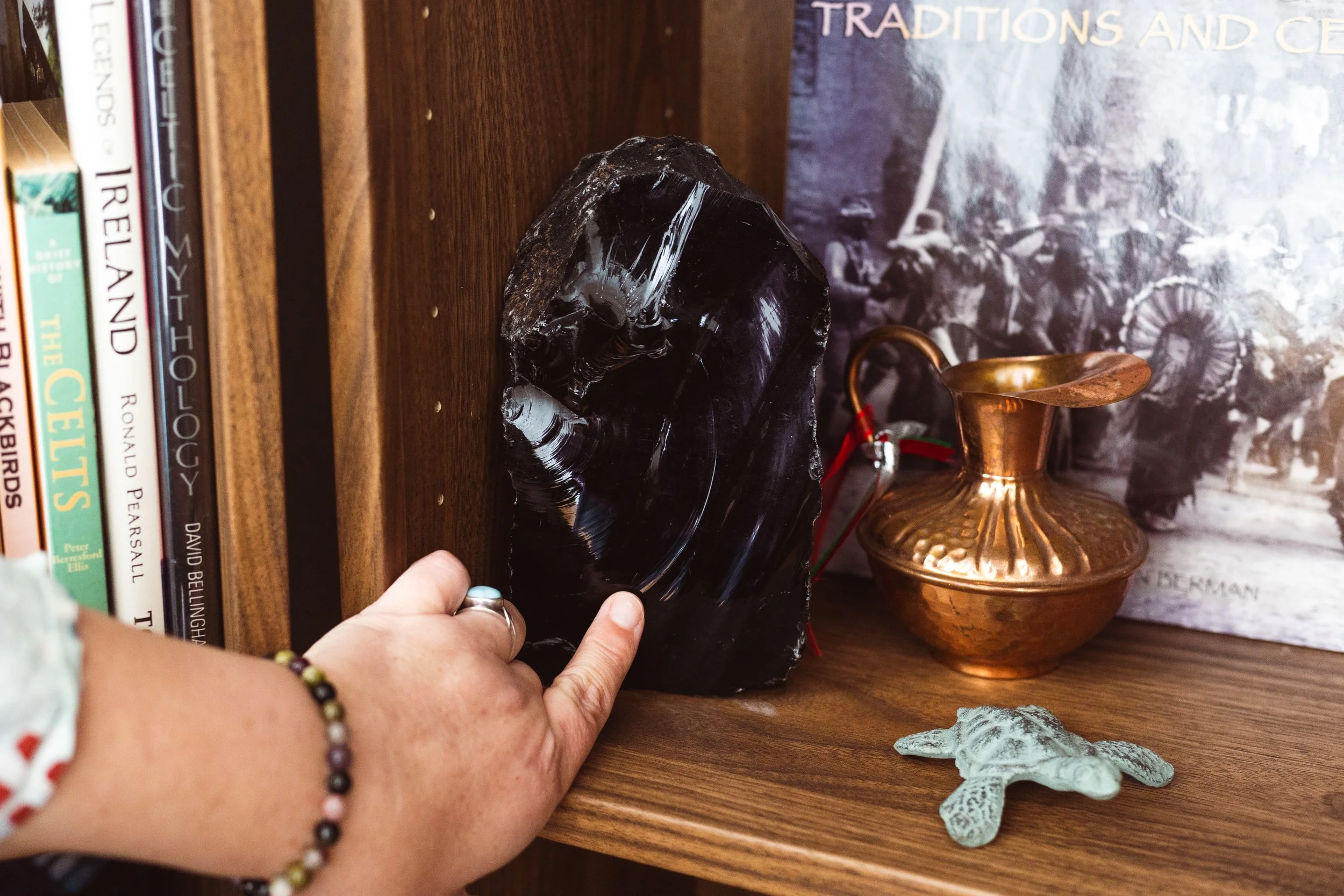
The Seven Fires Prophecy is an Anishinaabe teaching that speaks to seven major turning points in the journey of Indigenous peoples on Turtle Island (North America). While this is the most widely shared version, many Indigenous Nations—including the Mi’kmaq—carry their own teachings that reflect similar themes of change, responsibility, and renewal.
Seven Fire Sanctuary was established to help people reconnect with the enduring wisdom of traditional ways, and to remind us all that our roots grow deep. We are the product of the seven generations that came before us, and the decisions we make will ripple out and shape the next seven generations. It’s our responsibility to choose our path with those future generations in mind.
What is Rewilding?
The teaching isn’t that humans shouldn’t use the forest —it's that the forest should still be able to recognize itself after we’re done.
Generations before you were born, somewhere in the world, your ancestors lived in harmony with nature. At some point, that connection was severed, and they began to live out of sync with their natural rhythms.
Rewilding, within the vision of Seven Fire Sanctuary, is not about returning the land to a “hands-off” or “pristine” state. It is about restoring relationship. Through this lens, the land is not separate from us—it is something we are in ongoing relationship with, something we are responsible to.
This work is rooted in care, reciprocity, and the return of stewardship, where cultural knowledge and ecological restoration move together.
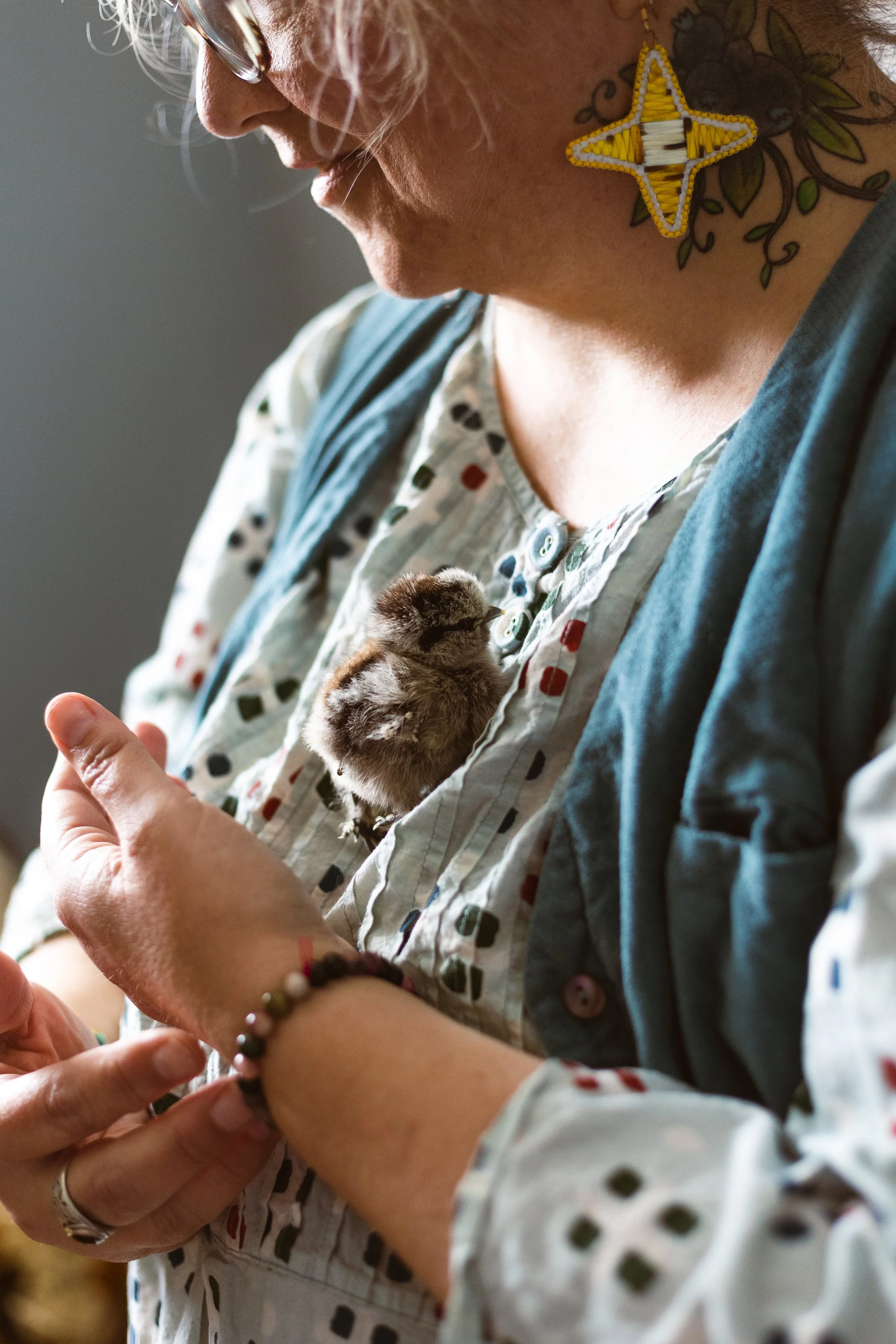
About Helena Perry
A reflection on the path that led here, shaped by land, lineage, and lived experience.
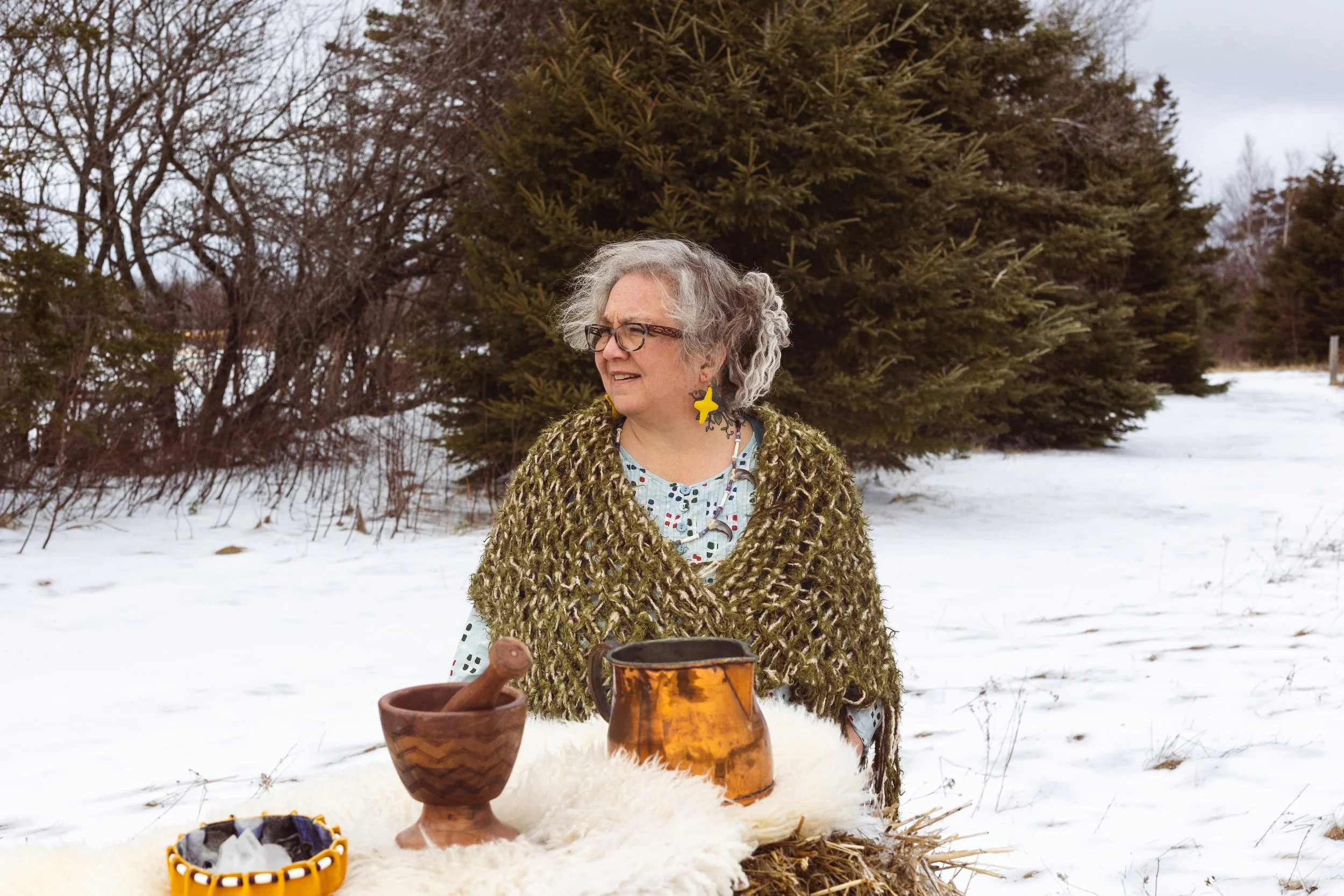
I remember being a child, learning traditional Mi’kmaw plant knowledge from my maternal grandmother. Her parents were basketmakers who lived on a quiet country road near Souris, PEI, making a modest living weaving baskets and crafting tool handles for local farmers.
In a different way, I learned similar lessons from my father, who was Polish. He learned traditional knowledge from his maternal grandmother.
Do you see a common thread?
Two very different worlds, on two different continents, both grounded in the same fundamental truth—that nature is our shelter, our survival, and our sense of knowing.
I carry deep gratitude for my ancestors. They passed on to me this ability to connect with the land, to listen, and to embrace that part of myself that is still wild.